4 Killer Locations for Your Hard-Sided Hunting Blind
Setting Up A Hard Blind over a Food Plot
June 30, 2025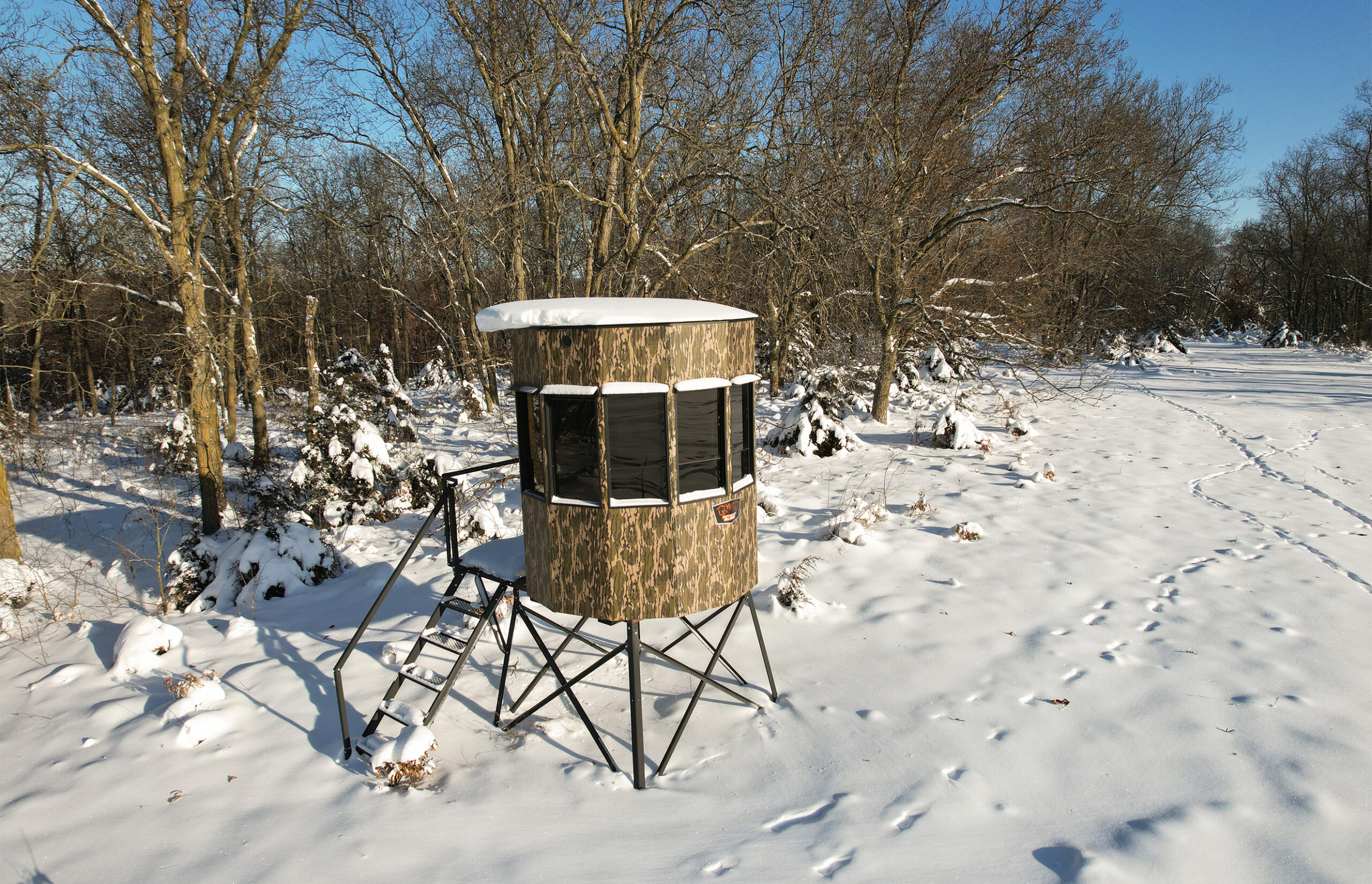
How Do You Stay Warm in a Hunting Blind?
July 25, 2025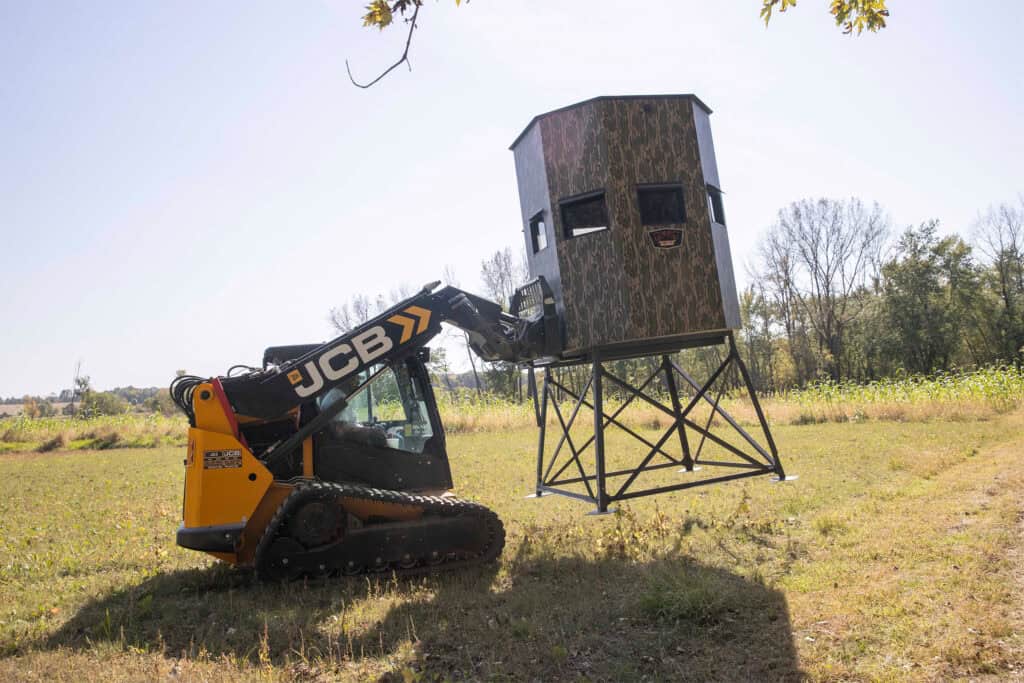
The heat of summer is on, but for serious deer hunters, the work for fall is already underway. If you’re ready to stop hunting spots and start hunting smart, a permanent hard-sided blind is your ticket to all-season success. But where you place that blind is the single most important decision you’ll make. This isn’t just a pop-up you can move tomorrow; this is your command center.
Here’s the Rutted Up Blinds blueprint for placing your blind in a killer location that will produce year after year.
More Than Just a Box: The Unmatched Advantages of a Hard-Sided Blind
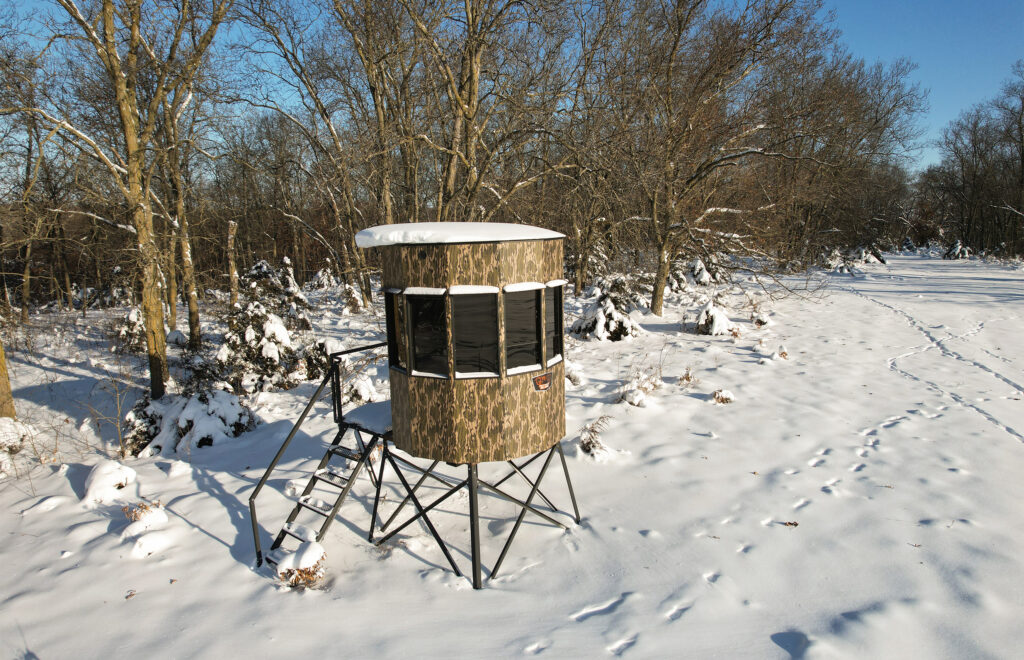
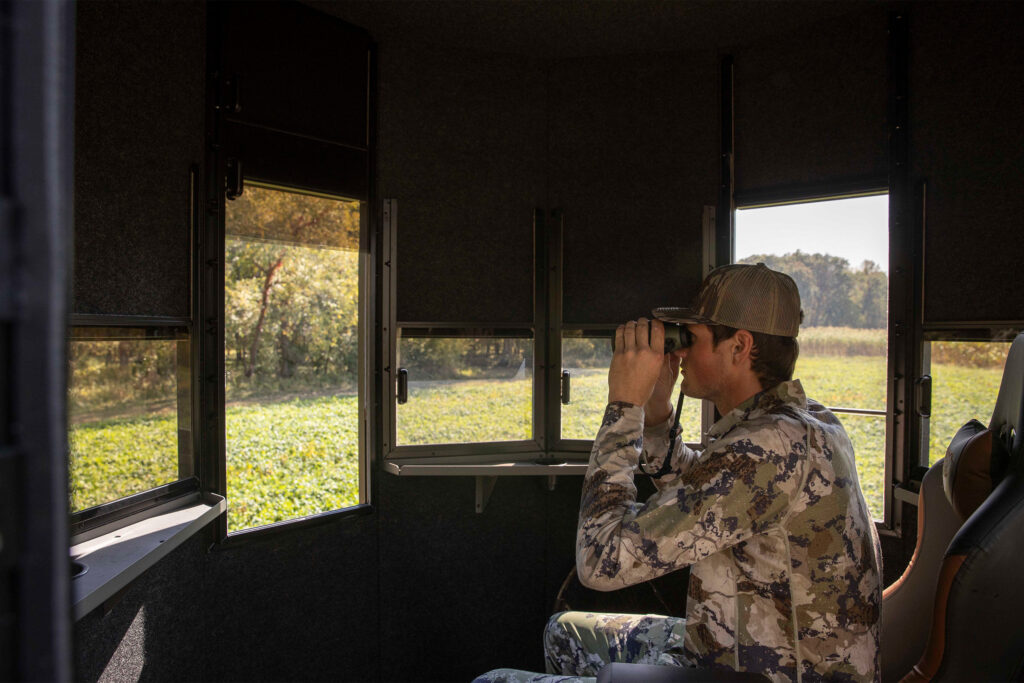
Before we get to the “where,” let’s talk about the “why.” A premium hard-sided blind from Rutted Up Blinds isn’t just a facade for camouflage; it’s an insulated shelter and a strategic advantage. You get unparalleled scent control thanks to a fully sealed design, meaning you can hunt almost any wind. The insulated, sound-dampening walls keep you comfortable on brutal all-day sits and help to contain the noise of shifting around, talking with your hunting partner, or instructing your kids on their first hunts. With multiple smoked shooting windows, you can draw your bow or position your rifle appropriately wherever the deer appears.
The Golden Rule: Why Early Placement is Key to Success
A hard-sided blind is a permanent fixture in a deer’s world. You can’t just set it up and hunt it the same day. For a blind to become just another part of the landscape, you need to give deer time to acclimate to it.
The golden rule is to get your Rutted Up Blind in place at least 3-6 weeks before you plan to hunt it. This allows your human scent to fade away and gives every deer in the area time to get to know it as a non-threatening object. The earlier you can get it set up, the better.
The Pinch Point
This is the number one, can’t-miss spot for a box blind. A pinch point is a natural funnel that forces deer to travel through a specific, narrow corridor on their way to food, water, or bedding. It’s the path of least resistance, and bucks in the area will naturally gravitate toward using it. Look for:
- A thin strip of timber connecting two larger woodlots between fields.
- A saddle or low gap between two steep ridges.
- The area between a steep riverbank and a bluff.
Position your Rutted Up Blind to overlook this funnel.
Trails & Crossings
Deer are creatures of habit. They use the same general travel routes and crossings day after day (at least until the rut). Your goal is to find which ones they use the most. Trail cameras will be your friend here. Creek and river crossings are also excellent for concentrating movement.
The Food Plot
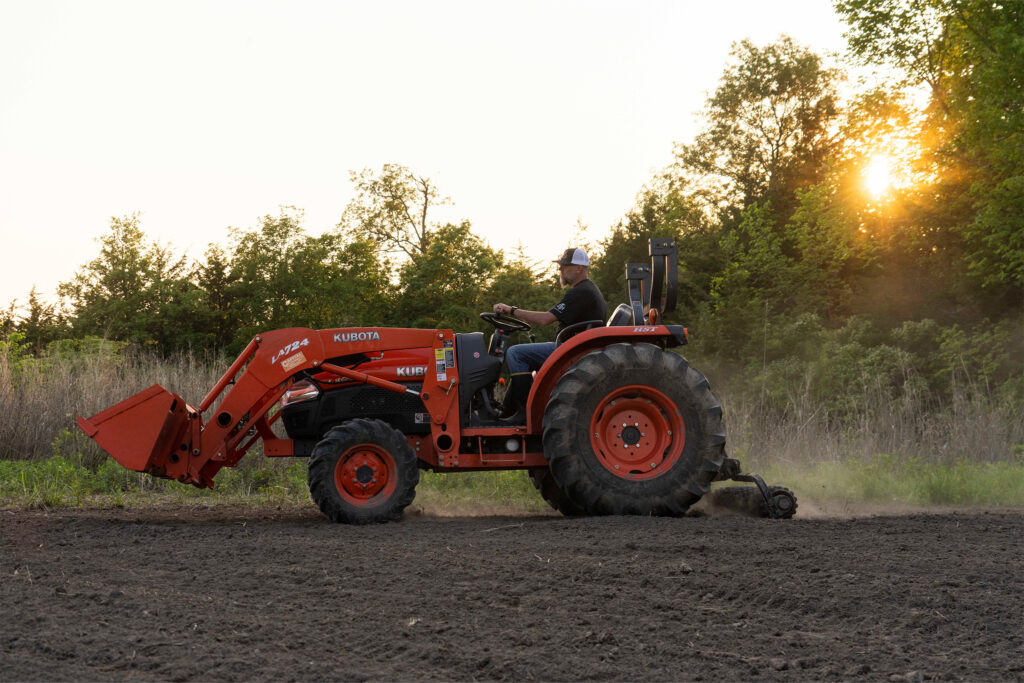
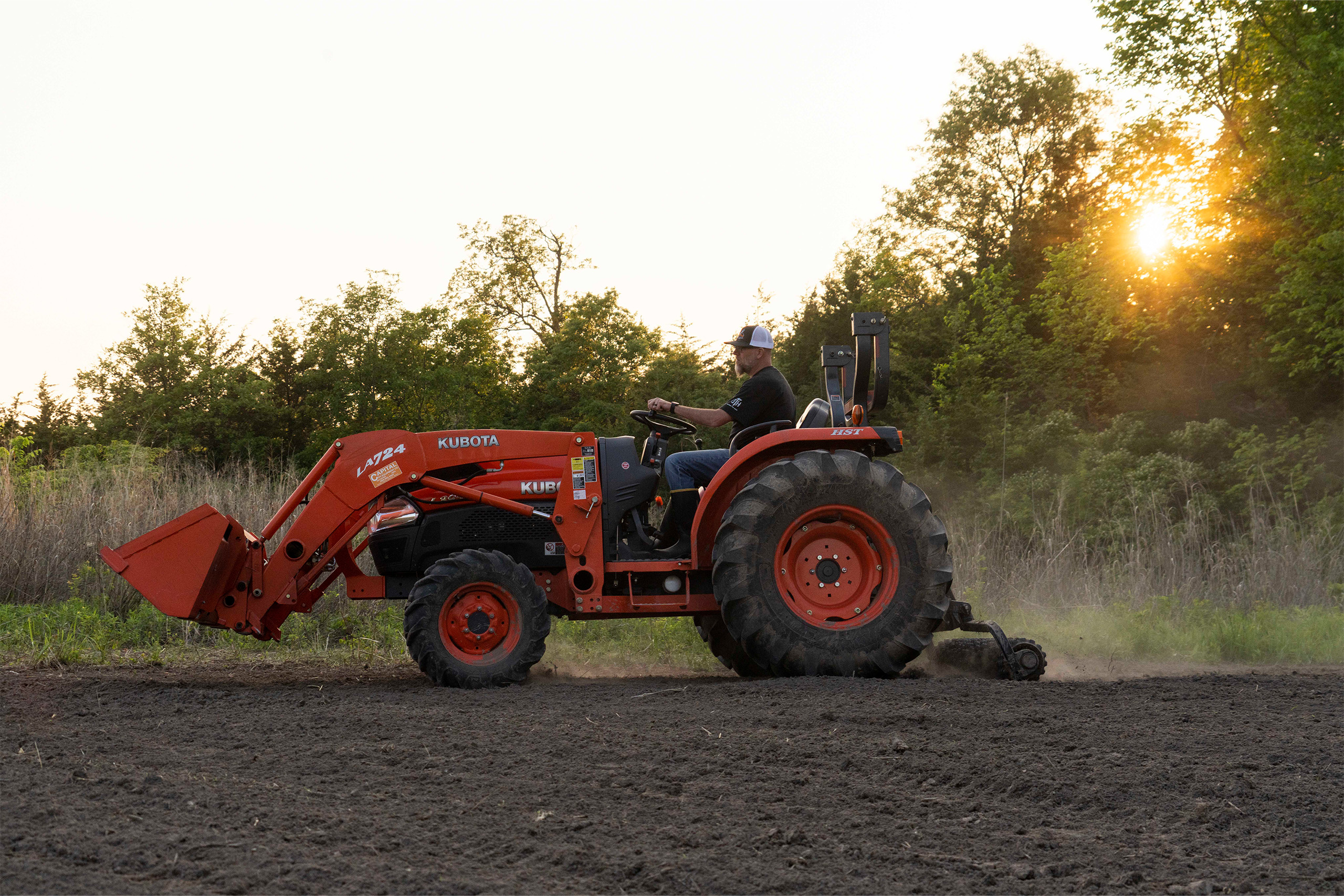
Hunting over a food source is a classic tactic for a reason: it works. Setting up a hard-sided blind overlooking a reliable food plot is a deadly strategy. The scent and sound containment of a Rutted Up Blind is a massive advantage here, as deer will often be close and feeding for long periods. You can sit comfortably and wait for the right buck to present a shot without worrying he’ll hear you as you shift excitedly in your seat.
The Edge of Agriculture
Large ag fields planted with corn, soybeans, etc., are a primary food source for deer across the country. While the standing crops offer food and cover, the real opportunity comes after the harvest. When those crops come down, deer lose a massive amount of security cover and are pushed to the remaining timbered edges. The absolute best setup is a blind placed in a finger of trees that juts out into a field or a wooded fencerow that connects two woodlots. This provides a great position to view both fields and naturally becomes a travel corridor for deer feeding in either field.
Final Thoughts on All-Season Success
Placing a hard-sided blind is about making a long-term investment in a specific hunting location. It’s a commitment to a spot you know will most likely to consistently draw deer. By using this blueprint to identify a pinch point, travel hub, or prime food source, you aren’t just setting up a blind; you’re building a permanent advantage that will help you get the drop on mature bucks season after season.
Ready to Get Rutted Up?
A killer spot deserves a killer blind. Rutted Up Blinds are engineered for the invested hunter who wants comfort, concealment, and durability. Stop letting the wind and weather dictate your hunt and get your all-season command center.
Explore our models and elevate your hunt!