Setting Up A Hard Blind over a Food Plot

Why Your Mental Game is Your Most Important Hunting Tool
June 19, 2025
4 Killer Locations for Your Hard-Sided Hunting Blind
June 30, 2025
Why a Hard Blind? Comfort, Concealment, and Control
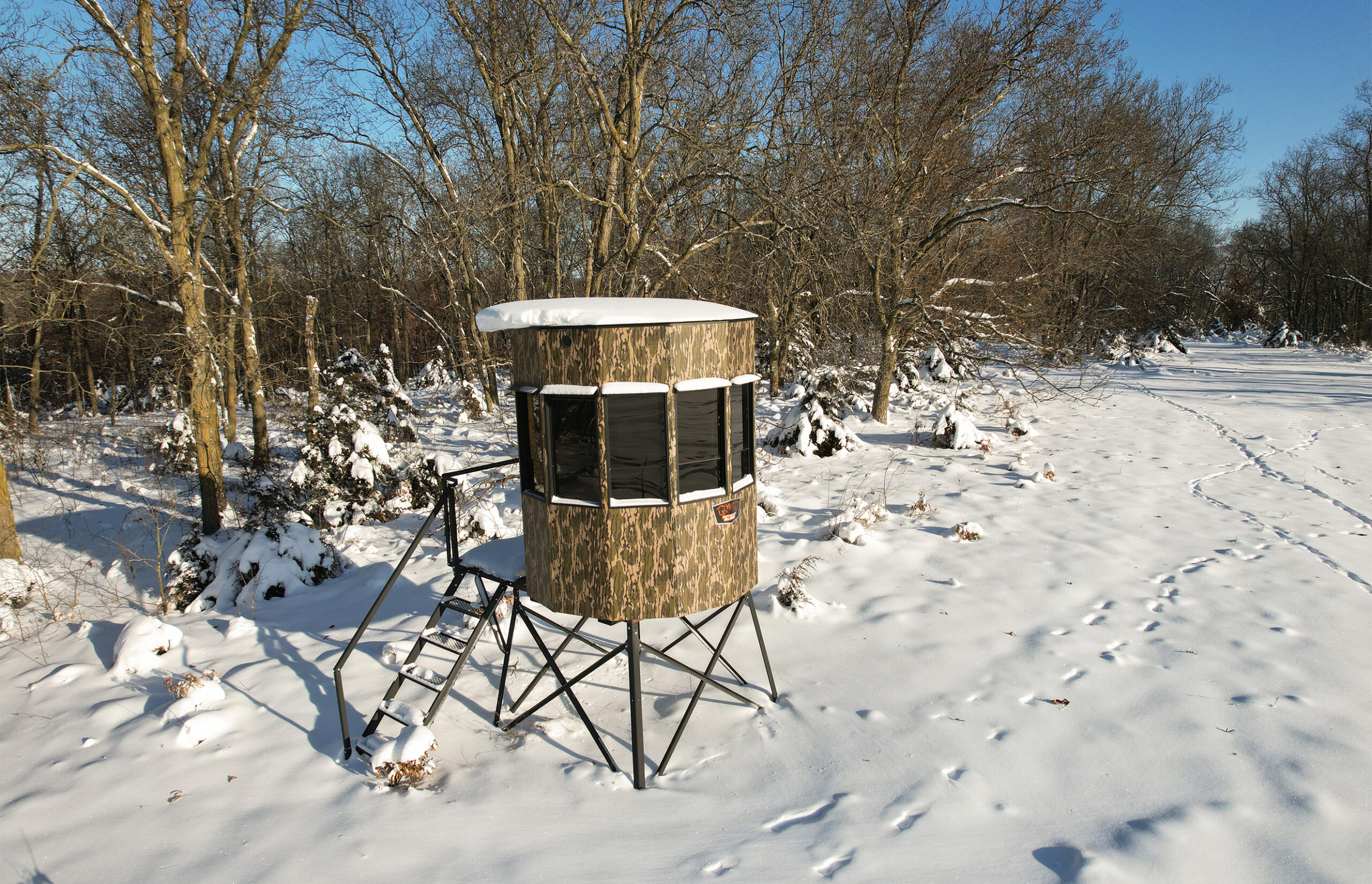
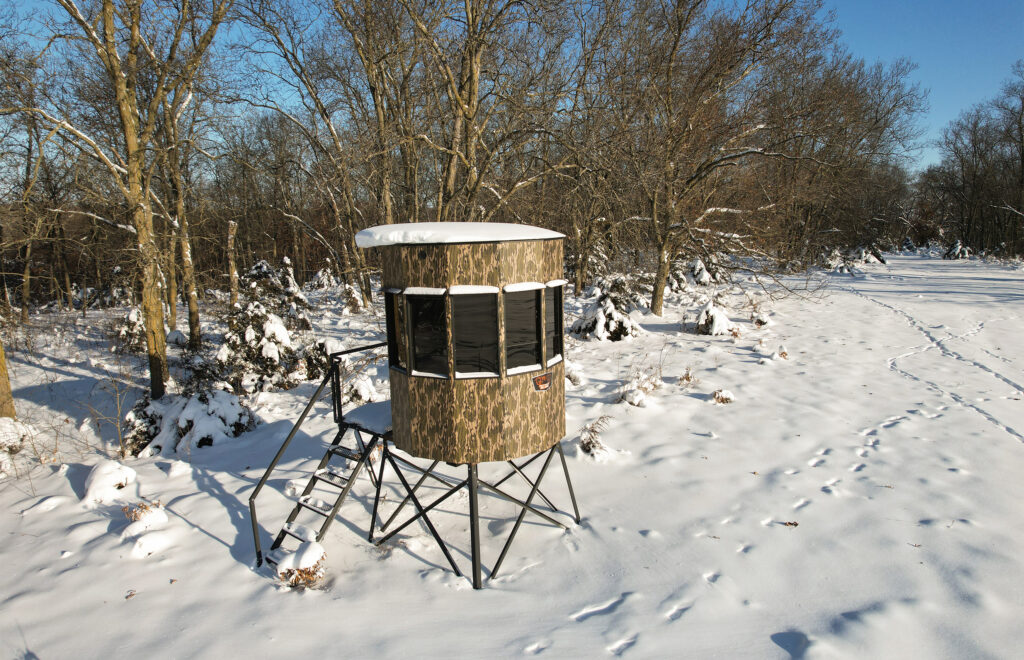
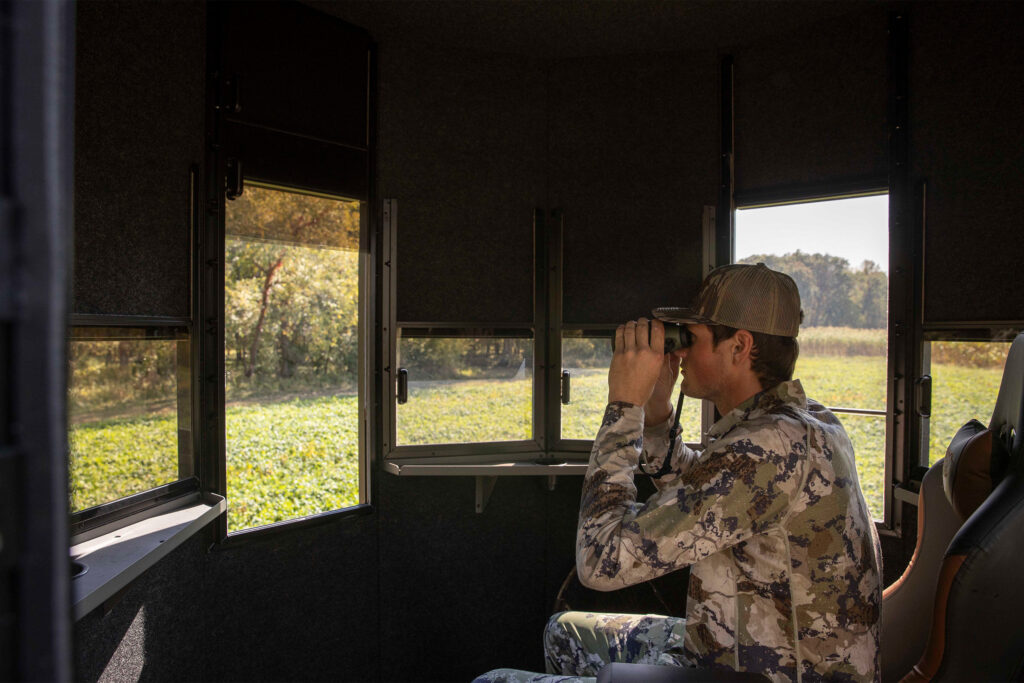
Hunting from a hard blind, often called a box blind, offers significant advantages over other methods, especially when targeting deer over food plots. Unlike tree stands, hard blinds provide superior comfort by shielding you from harsh weather: sub-zero temperatures, wind, and rain, allowing for longer sits with better focus. Rutted Up Blinds also help immensely with concealment.
We designed them to contain scent with our airtight builds and include smoked windows to better keep wary deer from detecting you. This allows you to hunt in weather conditions that you would avoid otherwise, and offers an extra layer of secrecy when pursuing mature and crafty bucks. Their enclosed and sound-insulated materials also dampen accidental noises, which is a huge plus, especially when hunting with others.
Place Your Blind Early
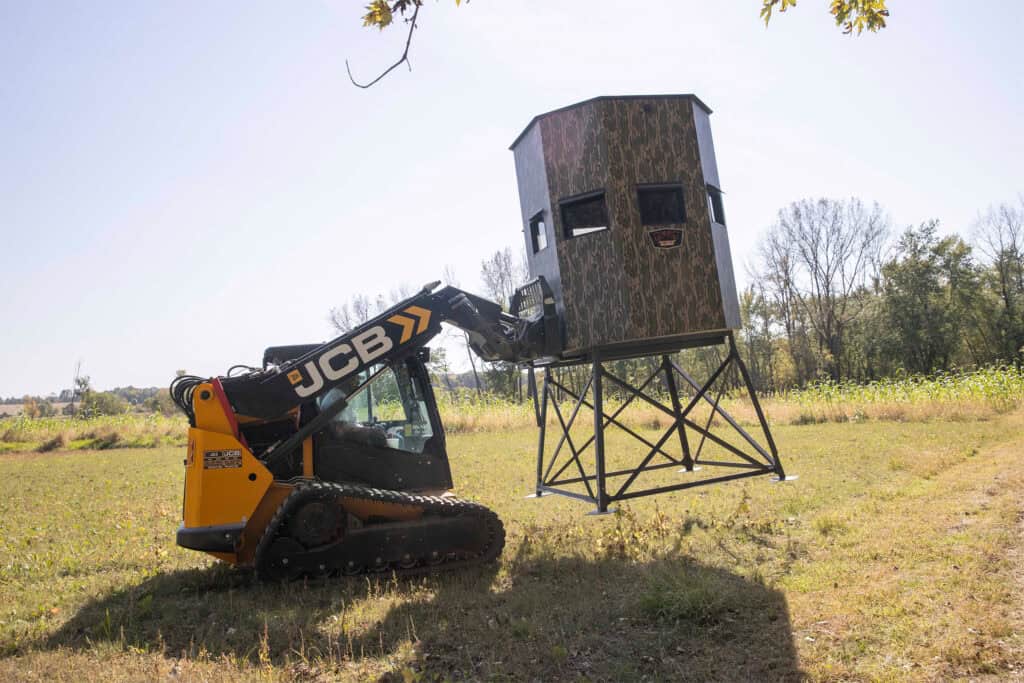
A critical factor for success with a hard blind is early placement. Unlike pop-up blinds that you can brush in quickly, a hard blind is a permanent fixture in the deer’s environment. Deer need time to accept it as a non-threat. Experts recommend setting up your blind at least 3-6 weeks before you plan to hunt from it. This allows residual human scent to dissipate and gives deer ample time to acclimate, integrating the blind into their daily patterns. Ignoring this rule can make even the best-placed blind a large and spooky object for your prey.
Sneak In, Sneak Out
No matter where you place your blind, your ability to access and exit undetected is paramount. If deer consistently smell or hear you coming or going, they may quickly learn to avoid the area, ruining even the most attractive food plot. Plan your routes meticulously:
- Avoid high-traffic areas for deer: Use your scouting and trail cameras to steer clear of common bedding areas and frequently used trails on your entry and exit.
- Mind the wind: Consider the wind direction for your access route. If you do not have an airtight Rutted Up Blind, you will want to consider wind direction in reference to your blind and field as well.
- Use natural cover: Utilize brush, overgrown fence lines, or anything you can to hide your movement.
Strategy 1: The Edge Advantage
Setting your hard blind on the edge of a food plot is perhaps the most common and effective strategy. This places your blind where the plot meets a treeline or other natural cover, helping to break up its silhouette somewhat.
- Benefits: You get a wide view of most, if not all, of the food plot. This works well for all plot sizes. For rifle hunters, setting up slightly away from primary deer entry/exit points can make deer feel more comfortable entering the plot, while still keeping them in range.
- Considerations: On very large plots, a single blind on the edge might not cover the entire area effectively.
Strategy 2: Choke Points
This strategy focuses on intercepting deer as they transition between different feeding areas or from one field to a food plot. It’s often a prime tactic for bowhunters, as it funnels deer into closer ranges.
- Location: Look for narrow travel corridors like low spots, drainages, or strips of trees—that separate two food plots or a food plot from a larger agricultural field. These areas may concentrate deer movement, but verify first with scouting and trail cameras before you place your blind there.
- Benefits: Your Rutted Up hard blind’s scent-containing design is a huge advantage in these critical funnel points.
Strategy 3: Bold in the Middle
While controversial, placing a hard blind directly in the middle of a medium to large food plot can be extremely effective, especially for gun hunters.
- Benefits: This setup provides an unparalleled 360-degree view of the entire plot, maximizing shot opportunities as deer move through and around the edge of the plot.
- Mitigation for Openness: The blind should be placed as early as possible to allow deer ample time to acclimate. Achieving entry and exit undetected in such an exposed position may be difficult.
Food Plot Design for Blind Success
The shape and plantings of your food plot can be specifically designed to maximize your hard blind’s effectiveness:
- Linear Plots: Designing food plots in a long, linear shape encourages deer to travel parallel to your blind, making your entry and exit perpendicular to the length of the field less likely to spook them.
- Funnel Shapes: Plots designed with an hourglass or V-shape can naturally funnel deer toward your blind, creating ideal shot opportunities.
- Strategic Plantings: Choose reliable plant species for high-traffic plots that are appropriate for the season you will be hunting in.
Mastering Your Setup
Successfully hunting from a hard blind over a food plot is a blend of meticulous planning and understanding deer behavior. By choosing the right location, implementing stealthy access, and designing your food plot strategically, you’re building a highly effective hunting system. This strategic investment in your hunting property will provide comfortable, higher-percentage opportunities to tag those trophy bucks, season after season.