How Do You Stay Warm in a Hunting Blind?

4 Killer Locations for Your Hard-Sided Hunting Blind
June 30, 2025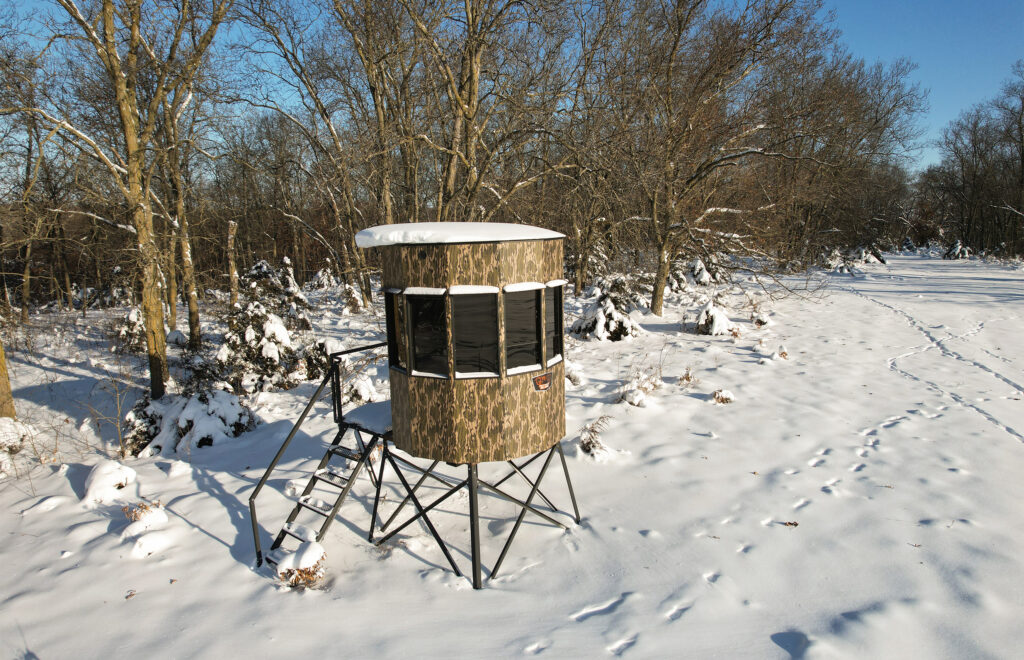
When the mercury plummets and the wind howls, some hunters are already packing it in. But for the dedicated survivors, those frigid days may give you the shot you’ve been waiting for on that trophy buck you missed early in the season. The question then becomes: how do you endure those brutal, all-day sits? It’s a challenge that demands more than just a few extra layers; it requires a strategic approach to keeping your core and extremities safe (and warm).
The more comfortable you are and the less close you are to frostbite, the longer you can stay out. Being warm reduces the need to move as well, minimizing the risk of a wary buck catching your movement. Let’s break down some strategies for staying toasty in your hunting blind, even when the temperatures push into the negatives.
The Cold Reality: Why Staying Warm Matters in a Hunting Blind
Hunting in bitter cold, especially during the late season or a biting cold front, means facing brutal conditions. Whether you’re in the Midwest with its unforgiving winds or the dense, damp forests of the Northeast, the cold can cut right through you before you even make it to the blind. Many seasoned hunters know the misery of chattering teeth and numb fingers, a distraction that can become miserable and then dangerous as you flirt with frostbite. Any of these can ruin a hunt and send you home early. The solution isn’t just surviving; it’s thriving. By mastering warmth, you extend your sit time, maintain focus, and increase your odds of capitalizing on that monster buck movement.
Build Your Fortress: The Power of Strategic Layering
Layering is the absolute bedrock of cold-weather comfort. It’s a dynamic system that traps air for insulation and manages moisture to keep you dry.
- The Three-Layer System:
- Base Layer: This is your wicking layer. Choose merino wool or synthetics that wick sweat away from your skin. Avoid cotton; it absorbs moisture and will make you cold.
- Mid Layer: This is your insulation powerhouse. Think fleece or wool shirts, down pullovers, or vests. Multiple mid-layers can be used for added warmth, but avoid excessive bulk that restricts movement.
- Outer Layer (Shell): This is your shield against the elements. A windproof and waterproof (or at least highly water-resistant) parka and bibs are crucial. Bibs are often preferred over pants as they eliminate cold gaps around your waist and protect your lower back and kidneys. Try to choose outer layers that are quiet to prevent spooking deer.
- Don’t Skimp If You Really Want Warmth: Investing in high-quality hunting clothing is worth every penny. Cheap gear will leave you cold and miserable, and then you’ll try buying something else instead. High-quality apparel provides comfort and performance.
Hot Spots & High-Tech Help: Warming Your Extremities and Core
Even with the best layering, certain body parts are prone to freezing. Targeted heat is your secret weapon.
- Heat Packs: These are valuable.
- Hand Muffs: Stuff 4-6 large disposable heat packs into a waist-worn hand muff. This creates a warm haven for your hands, allowing you to wear thin, dexterous gloves for shooting while keeping your hands toasty until needed.
- Strategic Placement: Another effective spot for heat packs on your hands is on your wrists, under a cuff, to warm the blood flowing to your fingers.
- Body Warmth: Place larger heat packs directly on your base layers over your kidney area and mid-chest. Keeping your vital organs warm is crucial for overall body temperature regulation.
- Boot Warmers: Place toe warmers over the toe of your boot (between the boot and an outer boot cover) to ensure they get enough oxygen to work.
- Pre-Activation: Always activate your heat packs at least 30 minutes before you head out, so they’re at full heat when you start your sit.
- Boot Covers (Oversized Insulators): Products like boot blankets that zip over your existing hunting boots provide a crucial extra layer of insulation. They are especially beneficial if you have circulation issues, and they are ideal for holding heat packs directly over your foot.
- Heated Vests & Insoles: Battery-operated vests with heating panels can significantly boost core warmth. While powerful, never rely solely on battery power. Always dress as if your heated gear might fail, using it as a backup instead.
- Heavy Headwear: A thick, insulated face mask combined with a beanie and potentially a third layer like a Gore-Tex cap is essential. Layering on your head traps rising body heat and prevents significant heat loss. Practice bowhunting with your mask on, as it can affect your anchor point.
Fuel Your Internal Furnace
Your body is a metabolic engine, and it needs fuel to generate heat. Don’t underestimate the power of food and hot drinks.
- Pre-Hunt Power-Up: Start your day with a substantial breakfast. Think bacon, eggs, toast with butter, and coffee with cream.
- Sustained Energy: Pack calorie-dense snacks and meals for your stand. Sandwiches (kept from freezing in an inside coat pocket), protein bars, or nuts provide quick fuel.
- Hot Beverages: A thermos of hot water, coffee, or soup provides immediate internal warmth. Preheat your thermos with boiling water to help keep liquids hot for hours.
- Silent Snacks: Repack (or remove) noisy snacks like chips into individual baggies to prevent startling deer.
Maximizing Your Blind’s Warmth
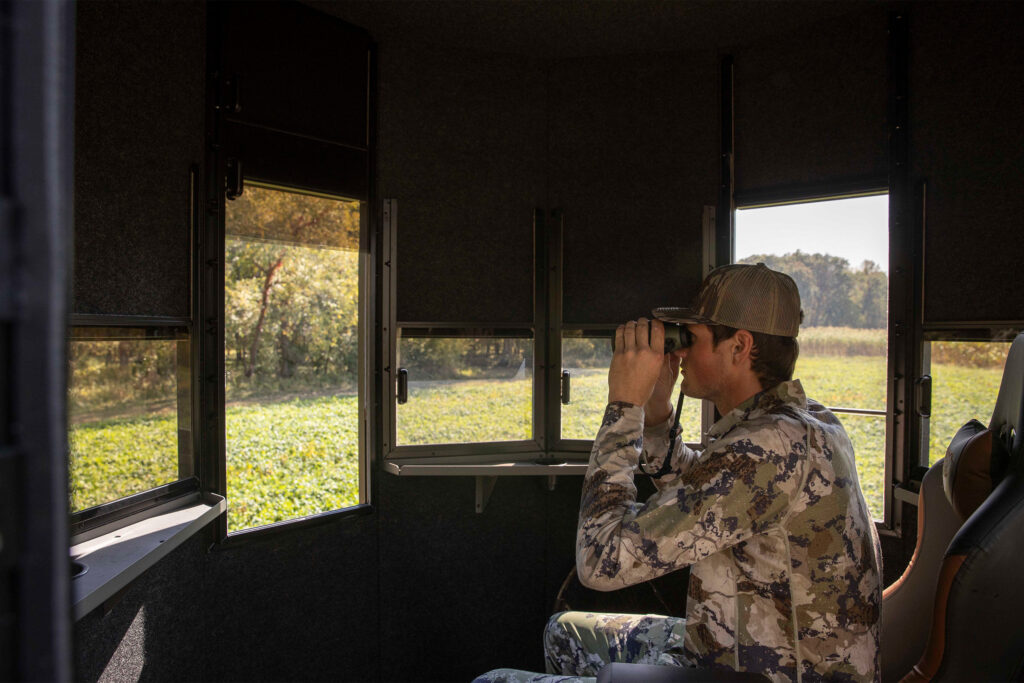
Your Rutted Up Blind isn’t just a hide; it’s a fully insulated fortress against the cold designed to improve your comfort and effectiveness.
- More Protection from Elements: Unlike treestands, our insulated hard-sided blinds shield you completely from brutal wind, freezing rain, and falling snow. This alone drastically cuts down on chilling factors.
- Insulate the Floor: While Rutted Up Blinds are fully insulated, if you have a less insulated blind, consider installing carpet, a rug, or even cardboard laid on the blind floor. Every little bit can help.
- Seal Drafts: Use cardboard or foam to cover any potential seams or cracks in your blind to block drafts.
- Scent & Noise Control: The sealed construction of a Rutted Up Blind means exceptional scent control, allowing you to hunt almost any wind. Its multi-layered walls also provide excellent noise dampening, so you can adjust, stretch, or even bring a hunting partner without spooking wary deer.
Stay Dry, Stay Focused: Avoiding Common Cold Traps
Even with the best gear, simple mistakes can quickly lead to being miserably cold.
- Avoid Sweating on the Walk In: This is paramount. Dress lightly for your hike to the blind, carrying your heavier outer layers in your pack. Walk slowly, take your time, and remove layers if you feel yourself starting to sweat; it’s very important to stay dry.
- Prevent Cold Feet & Hands: If wet, change into a dry pair of thick woolen socks once you reach your blind.
- Mind Your Movement: While a light exercise routine can boost blood flow, you’ll want to avoid movements that could reveal your position.
- Stay Fueled: Being cold and hungry is a major distraction that may cut your hunt short or ruin the experience.
Your Ultimate Winter Command Center: Tips for All-Day Success
Staying warm in a hunting blind during the coldest parts of the season is achieved with the right gear and preparation. It’s about combining intelligent layering with targeted heat, proper nutrition, and leveraging the supreme advantages of your Rutted Up Blind, if you already have one.
With a Rutted Up Blind as your winter hideout, you’re not just enduring the cold; you’re defying it. You’re extending your time in the field, maintaining your focus, and increasing your odds of crossing paths with that trophy buck.
Order your Rutted Up Blind today!