The Science Behind A Deer’s Exceptional Sense of Smell

Are Elevated Blinds Better?
May 16, 2025
Gearing Up for Success: Your Essential Blind Packing List
June 19, 2025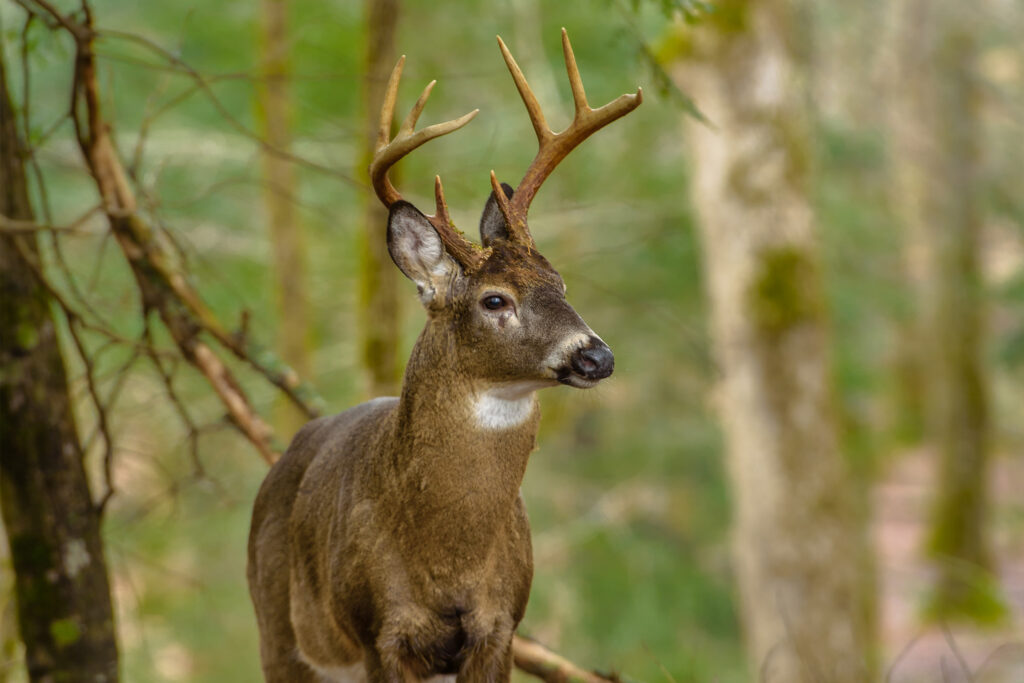
A Whitetail’s Superpower
Of all a whitetail deer’s highly developed defenses, its sense of smell is the most sensitive and crucial for survival. It’s a sophisticated system that plays a vital role in nearly every aspect of a deer’s life. Deer rely on this extraordinary sense for social communication, detecting the ever-present threat of predators, and for successful reproduction. Many hunters can recount tales of deer seemingly detecting their presence from astounding distances, even when all other factors seemed in the hunter’s favor. Indeed, the olfactory prowess of deer is so keen that humans can scarcely measure its full extent.
What Exactly is Smell?
To understand how deer perceive us and their environment, it’s important to define what “scent” truly is on a chemical level. Most smells are organic in origin, though not all are. Ammonia, for example, is a non-organic but highly smelly molecule, but typically, the majority of smells are volatile organic compounds (VOCs). These VOCs originate as organic compounds released which become airborne. These airborne VOCs can come from a multitude of sources. Manmade products like gasoline, paints, and perfumes emit unique collections of molecules or smells. Plants also release their own VOCs during various life cycle stages, such as leafing or flowering, and these signatures can change. And of course, mammals release smells as well.
The Human Scent Signature
When it comes to human scent, we are VOC factories. Our bodies naturally give off literally thousands of distinct VOCs. Organs such as the liver, kidneys, lungs, and skin are constantly working to process toxins from normal metabolism, rendering them chemically removable through excretory pathways like feces, urine, breath, sweat, and saliva. One study identified about 1,800 different VOCs emanating from the human body, with breath, skin, hair, and feces all contributing to the total, along with others. Furthermore, bacteria living on our skin and clothing also produce their own unique VOC signatures. The simple takeaway is that our normal bodily functions make us like a beacon projecting scent into the air. From a deer’s perspective, our many human smells make us stand out from quite a distance away, when the wind is right. As every hunter knows, human smells alarm deer, and whitetails easily detect these foreign smells and typically associate them with potential danger.
The Science of Smell
We’re about to get technical. If you aren’t into the science, feel free to skip to how you can beat a deer’s incredible sense of smell below.
If you do want the details, the whitetail’s incredible ability to detect and process scent is rooted in the specialized anatomy of its olfactory system. Let’s get into it.
Millions More Receptors
The primary reason for a deer’s superior sense of smell lies in the sheer number of olfactory receptors in its nasal cavity. A whitetail deer possesses an astonishing 297 million olfactory receptors, while some estimates place it around 250 million. In stark contrast, humans have a mere 5 million. This vast difference means deer can detect odors at concentrations far below what a human nose could ever perceive, with some experts estimating a deer can smell at least 1,000 times better than a human. When a scent molecule is inhaled through the deer’s broad nasal openings, it’s captured by tiny hair-like projections called cilia within the mucous membrane. These captured molecules then dissolve into serous secretions in the mucosal layer and are transferred to the olfactory epithelium, where millions of olfactory receptors await.
The Olfactory Bulb
Once the smells reach the olfactory receptors in the epithelium, these molecules bind to specific proteins, which are (through even more complicated processes) translated in turn into electrical impulses. These impulses then travel up through nerves that extend through the roof of the mouth and directly into a part of the brain known as the olfactory bulb. Significantly, a whitetail’s olfactory bulb is approximately four times larger than that of a human. This larger size indicates a greater capacity to process these scent signals within the brain.
The Nose-Brain Connection
The journey doesn’t end at the olfactory bulb; this is the relay station. From here, the information profoundly influences a deer’s behavior through direct connections to primitive and powerful parts of the brain.
Memory and Learning
The olfactory bulb transmits electrical impulses directly into the limbic system of the brain, specifically affecting areas like the amygdala and hippocampus. The limbic system is the primitive, unconscious part of the brain that has a direct connection to fundamental deer behaviors, such as maternal instinct, mating drives, food selection, and predator or threat aversion. The hippocampus is particularly involved in instincts, learning, and the retrieval of episodic memories. The amygdala communicates with the hypothalamus, initiating “fight or flight” responses to danger.
This neurobiology means that with age comes wisdom; as a deer lives longer and its scent experiences compound, it learns more effectively how to avoid certain smells that signal danger. Science backs the common hunter’s observation: a mature buck isn’t just theorized to be smarter; its “smell library” and the associated experiences become more informed and its survival instincts more honed with each passing year.
The “Proust Phenomenon” in Whitetails
Specifically in terms of the human sense of smell, the “Proust Phenomenon” describes the powerful link between a scent and an involuntary memory, often vividly recalling a past episode. For instance, a specific pine scent might instantly transport someone back to a childhood Christmas. Obviously, we share many similarities in the basic structure and operation of our brains with other mammals, such as deer. If we extrapolate this effect to whitetails, it stands to reason that if a buck encounters a particular VOC signature associated with a near-fatal brush with a hunter, that scent could involuntarily trigger the memory and prompt the deer to avoid similar situations at almost any cost.
But Can You Beat It?
Given the whitetail’s incredible olfactory system, many hunters wonder if it’s even possible to go undetected. While completely eliminating 100 percent of human scent is likely an unattainable goal, hunters can strive to contain it and minimize their signature human smells. This attempt involves meticulous attention to personal hygiene, eliminating scents on clothing, dangerous ozone generators, and aerosols that are marketed in an attempt to overwhelm the deer’s sense of smell.
But the only real, foolproof method to keep a smell from spooking a deer is to keep air that touched you away from the deer entirely.
There are two ways to do this.
- Always, always, always, pay attention to the wind, and make sure that no deer you are hunting is ever downwind of you.
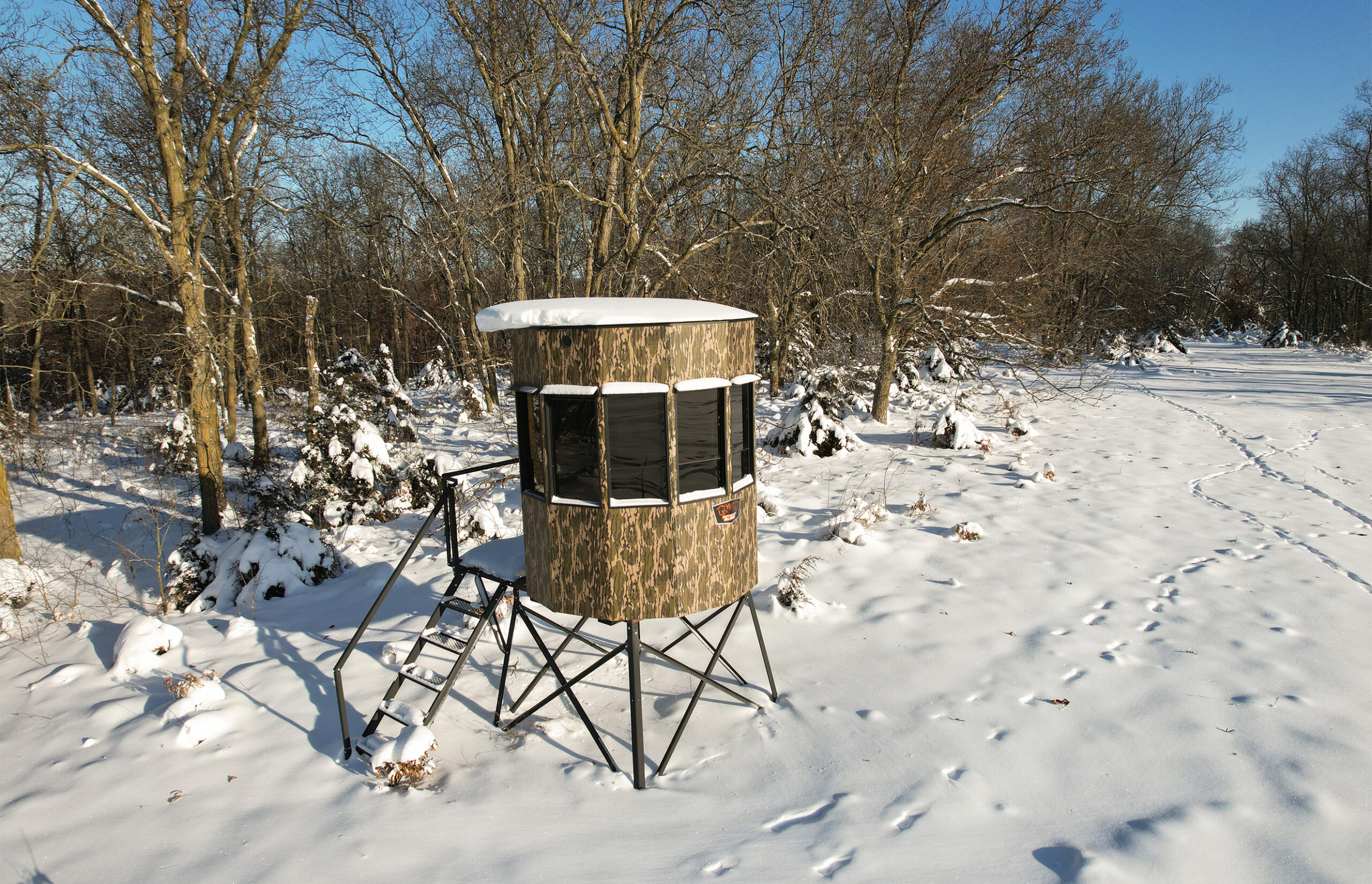
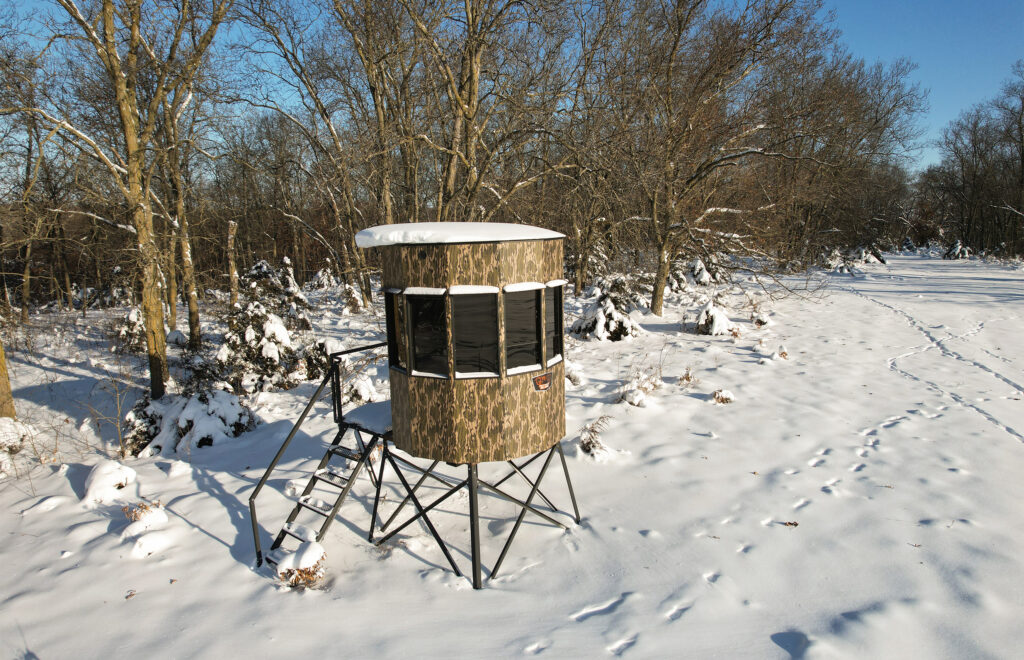
- Another strategy hunters employ to combat a deer’s sense of smell is the use of a high-quality hunting blind. Blinds like those from Rutted Up Blinds are designed with an airtight construction. This feature is specifically aimed at containing the hunter’s scent within the blind, preventing those tell-tale human VOCs from drifting downwind and alerting deer to your presence. By significantly reducing the amount of scent escaping into the surrounding environment, such a blind can offer a crucial advantage, potentially allowing hunters to remain undetected even when wind conditions are less than ideal.
Ready to take your scent control strategy to the next level and gain a serious advantage? Don’t let your hunt be ruined by a swirling wind or an unpredictable downdraft. Invest in a Rutted Up Blind and experience the difference that superior scent containment can make. Explore our lineup of meticulously engineered, hand-built blinds and find the perfect fortress for your next hunt.
Stop just hunting the wind – start hunting with confidence. Choose Rutted Up Blinds and hunt in comfort for decades to come.